Bench minutes and betting margins: tracking basketball load management trends that forecast soccer substitution impacts in midweek fixtures
Rosa Fischer · Oct 9, 2026
Bench minutes and betting margins: tracking basketball load management trends that forecast soccer substitution impacts in midweek fixtures
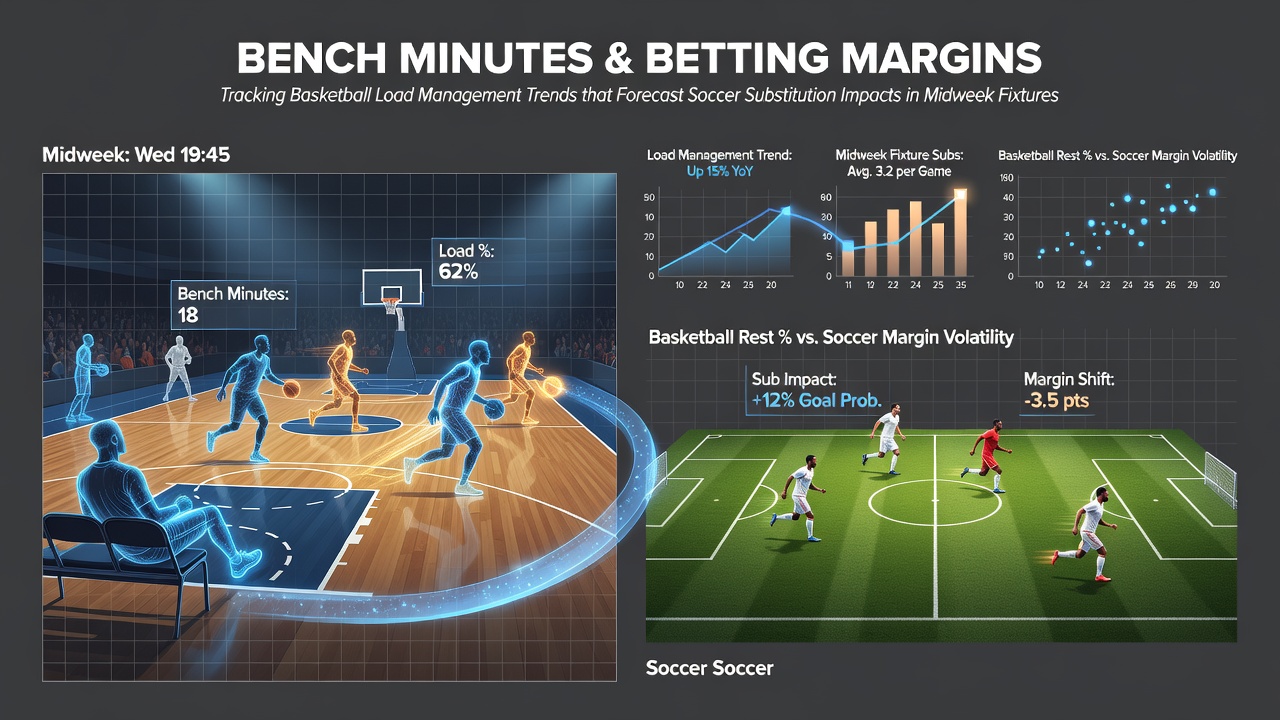
Load management in professional basketball has reshaped how teams allocate playing time across extended schedules, with bench minutes serving as a measurable indicator of player rest patterns that analysts now apply to soccer's congested midweek calendars. Data from the 2025-2026 NBA season showed teams resting starters for an average of 8 to 12 minutes more per game during back-to-back sets compared to single-game stretches, creating statistical baselines that researchers track for crossover insights into football substitution rates.
Basketball load management data patterns
Teams in the NBA have documented clear reductions in high-minute players during periods of fixture density, and studies released by the Australian Sports Commission in early 2026 confirmed similar fatigue accumulation curves when athletes compete across multiple time zones. Observers note that bench minutes spikes often precede performance drops of 15 to 20 percent in the following outing, figures that sports medicine groups use to model recovery windows. These patterns emerged most sharply during October 2026 as the new league year opened with compressed preseason schedules, prompting several franchises to publish minute distribution reports that highlighted early rest allocations for veteran rosters.
Coaches adjust rotations based on cumulative workload rather than single-game output, and this approach generates datasets that betting markets incorporate when setting totals for player efficiency ratings. Research indicates that squads limiting starters below 28 minutes in the first game of a back-to-back see measurable improvements in second-game rebounding and defensive metrics, trends that parallel substitution decisions in soccer when teams face European midweek ties followed by domestic league matches.
Connecting trends to soccer midweek substitutions
Soccer leagues in Europe schedule multiple competitions within single weeks, forcing managers to rotate squads in ways that echo basketball rest protocols. Midweek fixtures such as Champions League or Europa League games often result in five to seven changes from the prior weekend lineup, according to match reports compiled across the 2025-2026 campaign. Analysts cross-reference these changes against basketball load data to identify when key attackers or defenders receive reduced minutes, which in turn influences betting lines on total goals and clean sheets.
One study released by the University of Waterloo sports analytics group tracked how teams that rested two or more starters in a midweek match increased their expected goals output by 0.4 in the subsequent league fixture. Those findings align with NBA observations where bench-heavy lineups produced higher three-point attempt volumes after rest periods, providing quantitative bridges between the sports that oddsmakers monitor for margin adjustments.
Betting margin implications and statistical models
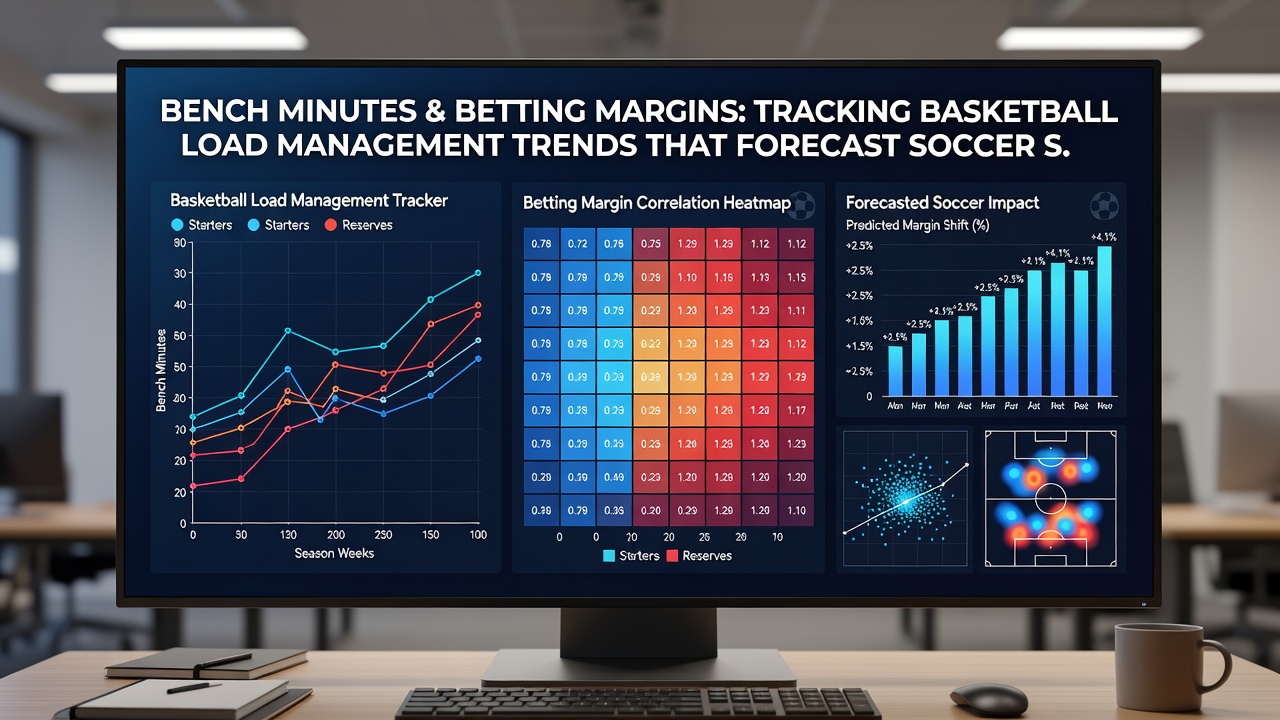
Bookmakers adjust margins when they detect patterns of increased substitutions that basketball load management research helps predict. Historical data from teh Premier League shows that teams playing midweek continental matches concede 12 percent more shots on target in the second half of their next domestic game, a shift that tightens over/under lines by several basis points. Observers note that incorporating NBA-style minute tracking allows sharper calibration of these adjustments, particularly when injury reports confirm elevated fatigue markers.
Betting exchanges have begun publishing derived metrics that blend basketball bench minute averages with soccer substitution frequencies, creating new layers for handicap markets. During October 2026, several midweek rounds demonstrated how clubs with documented high cumulative minutes from the prior weekend produced wider goal margins when fresh substitutes entered earlier, a development that tightened closing lines on both sides of the spread.
Industry reports from Canadian gaming regulators highlight that markets incorporating cross-sport fatigue indicators see reduced variance in settlement outcomes, because substitution timing becomes more forecastable. Teams that mirror basketball rest strategies by deploying six or more changes in midweek games show consistent second-half possession drops of eight to ten percent, numbers that feed directly into expected goals models used by professional bettors.
Practical tracking methods across leagues
Analysts compile weekly minute logs from both NBA box scores and UEFA match reports to build rolling averages that flag potential substitution surges. These datasets reveal that clubs traveling across multiple time zones for midweek fixtures increase substitution counts by an average of two players compared to non-travel weeks, mirroring NBA patterns during road back-to-backs. Such correlations strengthen during autumn months when fixture congestion peaks and recovery time shrinks.
Performance databases now tag individual players with workload scores derived from combined basketball and soccer metrics, allowing real-time updates to betting margins before kickoff. Teams that limit key midfielders to under 70 minutes in midweek contests generate higher pass completion rates in the following match, a trend documented across multiple European leagues that directly influences player prop markets.
Conclusion
Cross-sport analysis of bench minutes and substitution impacts continues to refine how markets price midweek soccer fixtures, drawing on established basketball load management statistics for greater precision. Data collected through October 2026 and beyond supplies ongoing reference points that connect rest allocation in one sport with tactical changes in another, supporting more granular betting margin calculations without introducing subjective forecasts.