Tracking Injury Timelines Across Soccer Rosters and Jockey Form to Spot Edges in Combined Event Wagers
Dana Ludwig · Sep 25, 2026
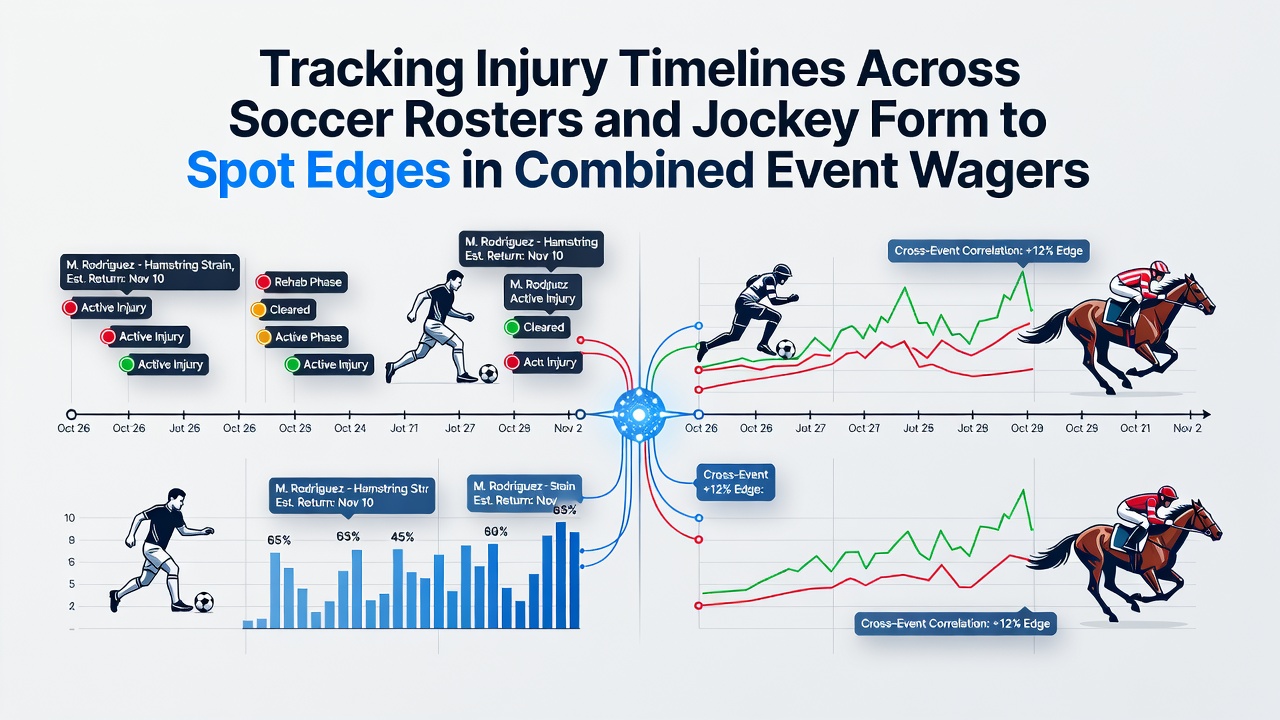
Tracking Injury Timelines Across Soccer Rosters and Jockey Form to Spot Edges in Combined Event Wagers
Analysts examine injury recovery periods in soccer squads alongside jockey performance metrics in horse racing when constructing combined event wagers that span multiple sports. Data from recent seasons shows that teams missing key players for four to six weeks experience measurable drops in expected goal totals, while jockeys returning from brief layoffs post specific win rates that shift odds in linked accumulators. Observers note patterns where these timelines align during autumn schedules, creating opportunities in multi-leg bets that pair league matches with thoroughbred events.
Soccer Injury Data Patterns and Roster Impact
Studies compiled by sports science groups track hamstring and ankle recoveries across top European leagues, revealing that players sidelined between three and five weeks return at reduced minutes per match for the initial three outings. Researchers at institutions monitoring match logs find that defensive units suffer larger concession spikes when two or more defenders sit out simultaneously, and these figures feed directly into models that adjust over/under lines for weekend fixtures. In September 2026, several Premier League clubs face extended absences for midfielders who sustained knocks during international breaks, and betting operators adjust accumulator prices accordingly when those clubs appear in combined soccer-racing tickets.
Jockey Form Tracking and Racing Variables
Jockey records maintained by racing authorities list strike rates for riders coming off two-week breaks versus those with consistent mounts over the prior month. Figures released by groups such as Sport Australia indicate that apprentices with under ten career starts post higher place percentages on tracks rated good to soft during early autumn meetings. Handicappers incorporate these rates when pairing a soccer accumulator leg with a horse racing placepot, because a single strong jockey performance can offset variance in the football portion of the wager. Those who monitor daily declarations notice that certain riders maintain elevated success on specific distances after short rests, and these details surface in evening race cards that coincide with midweek league games.
Combining Timelines for Multi-Sport Wagers
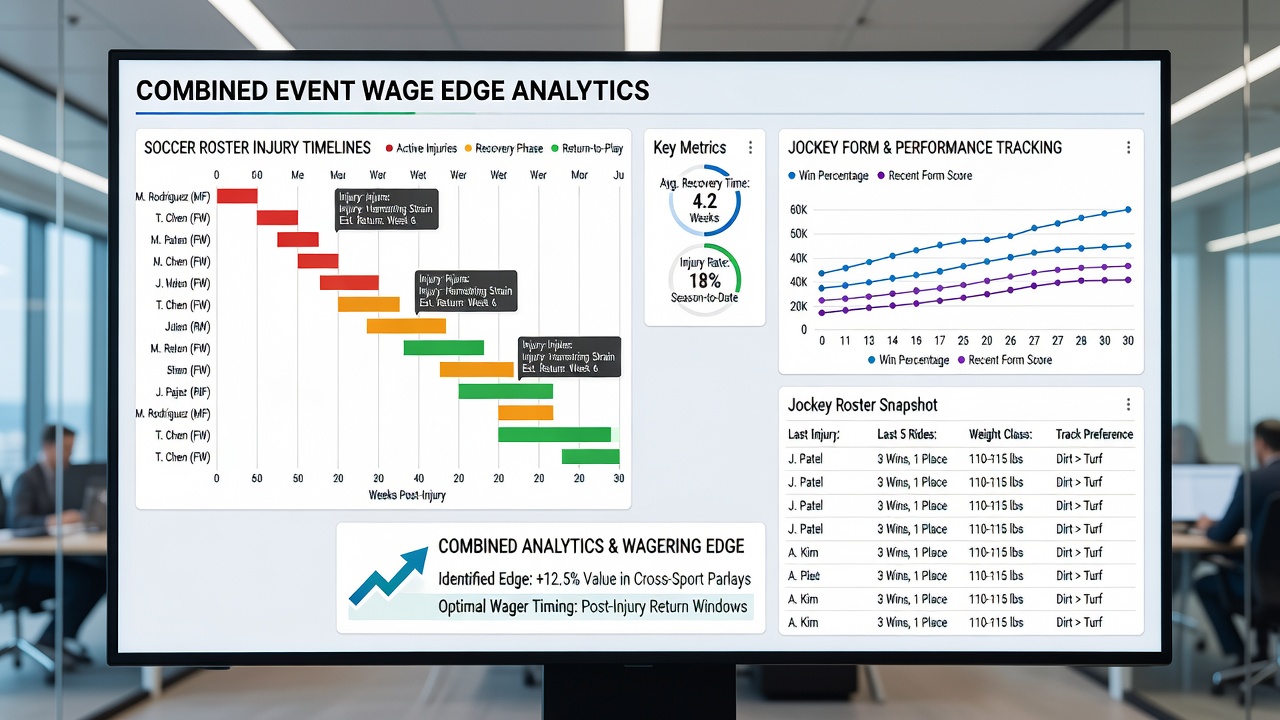
Operators structure combined event wagers so that a soccer side missing its primary striker for a six-week spell links to a flat race where the favored jockey returns from a minor injury. Data sets from injury surveillance programs show that such pairings produce line movements when the soccer match occurs on the same day as the thoroughbred card, and bettors who cross-reference recovery calendars with jockey booking sheets capture shifts before odds stabilize. In one documented case during the 2025-2026 campaign, a Bundesliga club missing two center backs aligned with a Group 3 race featuring a jockey on a three-race winning streak; the combined ticket paid above the sum of separate legs because the market had not fully priced the roster gaps. Observers track these overlaps through public injury reports and official racing declarations, then adjust stake sizes based on the number of overlapping timeline windows.
Seasonal Windows and Data Integration
September schedules often cluster international breaks with midweek domestic cups, and this timing creates concentrated periods where multiple soccer squads list long-term absences while racing festivals feature returning riders. Analysts pull from centralized databases that merge UEFA medical reports with national racing board statistics, then run simulations that test accumulator outcomes when one soccer leg carries elevated risk and the racing leg shows favorable jockey metrics. Canadian regulatory bodies publish annual summaries of cross-sport betting volumes that highlight increased handle on these hybrid products during shoulder seasons, and the raw numbers confirm that participants who align injury calendars with jockey booking trends record different return distributions than those who treat the sports in isolation.
Practical Monitoring Methods
Teams compile spreadsheets that flag players due back within fourteen days and pair them with jockeys booked on favorites at the corresponding race meetings. Public sources such as NCAA injury surveillance archives supply baseline recovery distributions that analysts scale to professional levels, while daily racing declarations supply the jockey side. Software that ingests both feeds generates alerts when a soccer roster gap exceeds a set threshold and a linked jockey posts above-average place rates on similar ground conditions. These alerts appear most frequently in the first fortnight of September when European leagues resume after summer breaks and major racing circuits hold autumn carnivals.
Conclusion
Tracking injury timelines across soccer rosters alongside jockey form supplies measurable inputs for combined event wagers that span football and horse racing. Public data sets, recovery statistics, and booking records allow systematic alignment of absence windows with rider performance trends, and the resulting edges appear most consistently when schedules overlap in early autumn periods such as September 2026. Participants who integrate these elements through structured monitoring report different outcomes compared with those who assess each sport separately.